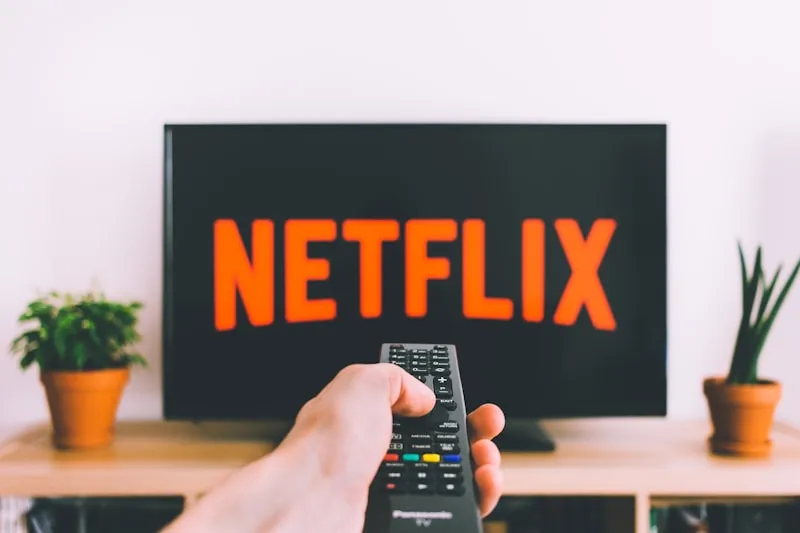
I cancelled my Netflix subscription in 2024. This was not an act of protest or a philosophical statement about content quality. It was straightforward arithmetic. Between JioCinema (which had absorbed Hotstar's sports and HBO content), Amazon Prime Video (bundled with my existing Prime shopping membership), and SonyLIV (which had produced several of the best Indian shows I had ever watched), I was already drowning in more high-quality content than I could physically consume. Netflix India, at ₹649 per month for HD access, was the mathematical casualty—the platform whose content-to-cost ratio had become demonstrably, inarguably inferior to its Indian competitors.
This personal anecdote is not interesting in itself. It is interesting because it represents a structural shift that millions of Indian viewers have simultaneously experienced: the moment when Indian-produced streaming content became not just passable, not just good enough, but genuinely, consistently excellent—good enough to compete with, and often surpass, the best international productions on craft, writing, performance, and emotional intelligence. The Indian OTT revolution is not a marketing narrative; it is a documented, verifiable transformation in the quality, diversity, and cultural ambition of Indian scripted entertainment that has occurred with startling speed over the past five years.
The Quality Revolution: When Indian TV Grew Up
To understand how dramatic the OTT quality revolution is, you must understand how catastrophically bad most Indian television content was—and, on traditional broadcast channels, largely remains. Indian network television, dominated by soap operas ("daily soaps") that air 250-300 episodes per year, operates on a production model that prioritizes volume over quality with ruthless, unapologetic efficiency. A typical daily soap shoots an episode in a single day, with scripts often written the previous night, sets recycled from episode to episode, and performances shaped more by exhaustion than by artistic direction. The dramatic conventions—extreme close-up reaction shots, overwrought background music, plot lines stretched across years with glacial pacing, the infamous "slap-and-turn" editing technique—were not creative choices; they were industrial requirements of a production system designed to fill thousands of airtime hours at minimum cost.
Streaming platforms shattered this paradigm not primarily through larger budgets (though budgets increased), but through fundamentally different production structures. An Indian OTT original series typically produces 8-12 episodes per season, with scripts developed over months of writers' room collaboration, shooting schedules measured in weeks per episode rather than hours, and post-production timelines that allow for sophisticated editing, color grading, sound design, and visual effects. The difference is not subtle; it is the difference between industrial manufacturing and artisanal craft.
The results speak with overwhelming clarity. Scam 1992 (SonyLIV), directed by Hansal Mehta, transformed the Harshad Mehta financial fraud story into a ten-episode masterwork of narrative tension, period detail, and performance subtlety that Indian critics compared favorably to HBO's best financial dramas. Panchayat (Amazon Prime Video) discovered an entirely new register in Indian comedy—gentle, observational, deeply specific humor rooted in the quotidian absurdities of rural Indian bureaucratic life, performed with a naturalism that made every scene feel like eavesdropping on real conversations. Kota Factory (Netflix) examined India's brutally competitive entrance examination culture with an empathy and intelligence that treated its young protagonists as complex human beings rather than dramatic archetypes. Gullak (SonyLIV) elevated the middle-class Indian family dramedy into a form of genuine literary fiction—each episode a self-contained short story, carefully observed, emotionally precise, and so accurate in its depiction of ordinary domestic life that viewers routinely report specific scenes triggering intense personal memories.
The Regional Content Explosion: India's Cinematic Diversity Unleashed
Perhaps the most culturally significant dimension of the OTT revolution is the demolition of Hindi-language dominance in Indian entertainment distribution. Before streaming platforms, India's entertainment industry operated with a rigid, economically enforced linguistic hierarchy. Hindi-language content—produced primarily in Mumbai's Bollywood ecosystem—received nationwide theatrical distribution, satellite television rights, and marketing budgets. Regional language content—Tamil, Telugu, Malayalam, Kannada, Bengali, Marathi, and dozens of others—was largely confined to its home state. A spectacular Malayalam film released in 2015 might play in Kerala theaters, receive modest attention from Malayalam-speaking diaspora communities, and effectively disappear from the national consciousness. The distribution infrastructure made cross-linguistic discovery functionally impossible for most viewers.
Streaming platforms eliminated this barrier with devastating simplicity: subtitles. When every platform carries content in every language with professional subtitle tracks, a viewer in Delhi can discover a Malayalam masterpiece, a Tamil psychological thriller, or a Marathi social drama as easily as a Hindi blockbuster. The algorithmic recommendation engines—whatever their limitations—actively surface regional content to viewers whose watching patterns suggest interest, creating cross-pollination that the traditional distribution system structurally prevented.
The impact has been transformative. Malayalam cinema's streaming presence has introduced national audiences to a filmmaking tradition that operates at a consistently higher quality standard than Hindi cinema—films like Joji (a Macbeth adaptation set in a Kerala rubber plantation), The Great Indian Kitchen (a devastating, sustained examination of patriarchal domesticity), and Nna Thaan Case Kodu (a ferocious social satire) have found audiences far beyond Kerala. Telugu and Tamil industries, already producing the highest-grossing Indian films, have expanded their streaming presence with original series that exploit their industries' extraordinary technical and performance capabilities. Bengali streaming content—drawing on Kolkata's unmatched literary and intellectual tradition—has produced sophisticated psychological dramas that demonstrate what Indian television could have been all along, if the production infrastructure had existed.
The Business Reality: Subscriptions, Advertising, and Survival Economics
The uncomfortable financial truth beneath the creative renaissance is this: most Indian OTT platforms are not yet profitable, and the economics of streaming in India are structurally, fundamentally more challenging than in Western markets.
The core problem is price sensitivity. The average American Netflix subscriber pays roughly $15-17 per month (approximately ₹1,250-1,400) and considers this unremarkable. The average Indian streaming subscriber considers ₹500 per month expensive and actively comparison-shops between platforms. India's Average Revenue Per User (ARPU) for streaming services is roughly one-tenth of the American equivalent. This means Indian platforms must either attract ten times as many subscribers to generate equivalent revenue (mathematically challenging in a market where broadband penetration is still developing) or find supplementary revenue streams—primarily advertising.
The advertising-supported model introduces its own complications. India's digital advertising spend is growing rapidly but remains a fraction of mature Western markets on a per-user basis. Advertisers pay for reach and engagement, but the sheer fragmentation of the Indian streaming market—with 40+ platforms competing for viewer attention—dilutes the individual platform's advertising inventory value. The result is a market where content costs are rising (competition for writing talent, acting talent, and directing talent has intensified dramatically), subscription revenue is constrained by price sensitivity, and advertising revenue is fragmented across too many competing platforms.
The inevitable outcome is consolidation. India cannot sustain 40 streaming platforms. The market will compress to five to seven major platforms within the next three to four years. The likely survivors: the merged JioCinema-Hotstar entity (combining Reliance's financial muscle with Disney's content library and IPL streaming rights), Amazon Prime Video (backed by Amazon's willingness to sustain losses for ecosystem integration), Netflix (global brand recognition and massive original content investment), SonyLIV (consistently excellent original Indian content), and Zee5 (wide regional language catalog). Several smaller platforms will either merge, pivot to niche programming, or quietly shut down. This consolidation will be painful for some companies but should ultimately benefit viewers—fewer, better-funded platforms producing higher-quality content, rather than dozens of under-resourced platforms producing mediocre libraries.
The Cultural Shift: Why This Matters Beyond Entertainment
The Indian OTT revolution is not merely an entertainment industry transformation; it is a cultural infrastructure transformation with implications far beyond what shows people watch on their phones. For the first time in Indian media history, there exists a commercially viable distribution system for complex, nuanced, adult-oriented storytelling that does not require the approval of the Central Board of Film Certification (the famously conservative institution that censored Bollywood films), does not need to conform to the family-friendly constraints of broadcast television, and does not need to earn back its investment within a single theatrical weekend.
This freedom has produced content that would have been literally impossible in any previous era of Indian entertainment. Stories about caste dynamics, religious tensions, political corruption, sexual identity, mental health, marital dysfunction, and class inequality—subjects that Bollywood systematically avoids or sanitizes because they threaten broad theatrical appeal—are now being explored with unflinching specificity and artistic ambition. The Indian viewer who previously had to choose between Bollywood's manufactured spectacle and Hollywood's cultural irrelevance now has access to stories that reflect their actual lived experience, in their own languages, produced by creators who share their cultural context.
Frequently Asked Questions (FAQs)
Why are Indian OTT platforms so much cheaper than Netflix in the US?
Price is calibrated to purchasing power parity and competitive intensity. India's per-capita income is roughly one-thirtieth of America's, making American-equivalent pricing impossible. Additionally, the intensity of competition in India—where viewers can choose from 40+ platforms—creates downward price pressure that does not exist in the less fragmented American market. Indian platforms also derive a larger proportion of revenue from advertising (rather than pure subscription), which allows lower subscription prices. The trade-off is that Indian viewers encounter more advertisements than their American counterparts.
Is Indian OTT content censored by the government?
Indian OTT content operates under the Information Technology (Intermediary Guidelines and Digital Media Ethics Code) Rules, 2021, which established a three-tier regulatory framework: self-regulation by the platform, oversight by an industry self-regulatory body, and ultimate government oversight by the Ministry of Information and Broadcasting. In practice, platforms exercise significant editorial freedom compared to traditional broadcast television, but have faced government pressure on specific content deemed politically sensitive or religiously inflammatory. Several platforms have preemptively removed or edited content following government concerns. The regulatory environment is more permissive than broadcast television but is neither fully autonomous nor immune from political influence.
What should someone unfamiliar with Indian OTT content watch first?
Begin with Panchayat (Amazon Prime Video)—three seasons of warm, intelligent, culturally specific comedy that requires zero prior knowledge of Indian culture and rewards viewers with genuine emotional depth. Follow with Scam 1992 (SonyLIV) for a masterclass in long-form narrative tension. Then explore Kota Factory (Netflix) for insight into India's educational pressure culture, and Gullak (SonyLIV) for the most precise, affectionate portrayal of Indian middle-class family life ever committed to screen. For Malayalam cinema discovery, start with Joji (Amazon Prime Video) or The Great Indian Kitchen (Netflix)—both are internationally accessible and cinematically extraordinary.


Comments (0)
Be the first to share your thoughts on this article.