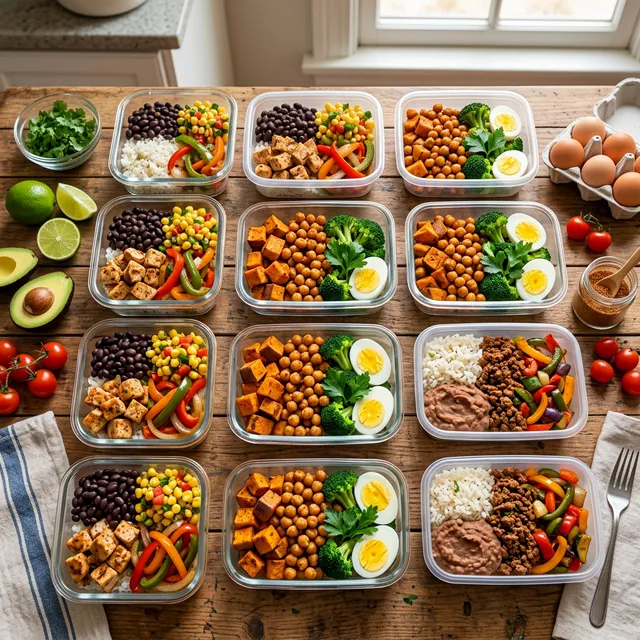
The assumption that eating well requires a significant budget is one of the most persistent and most damaging myths in nutrition discourse, particularly in India, where it intersects with class anxiety in ways that make honest conversation difficult. When food influencers demonstrate their "healthy eating" routines featuring imported quinoa (₹600/kg), organic avocados (₹200 each), cold-pressed juices (₹250/bottle), and artisanal sourdough (₹400/loaf), they are not demonstrating healthy eating—they are demonstrating expensive eating that happens to be healthy. The two are not the same thing, and conflating them creates the damaging implication that people who cannot afford quinoa cannot afford to eat well. This implication is false. The Indian food system—one of the most nutritionally complete traditional food cultures on earth—provides everything needed for optimal nutrition at costs that are, per nutrient delivered, among the lowest in the world.
This essay documents exactly how I eat—every meal, with costs—on a budget of approximately ₹200 per day (₹6,000 per month) in Bangalore, one of India's more expensive cities for food. This is not a hypothetical exercise or an aspirational plan; it is my actual food diary from a typical month, with prices from the local vegetable market, kirana store, and wholesale grain shop where I buy ingredients. The meals are not gourmet. They are not Instagram-worthy. They are nutritionally complete, genuinely enjoyable, and affordable on a single person's modest income.
The Monthly Grocery Strategy

The single most important financial decision in budget eating is where you buy, not what you buy. The same kilogram of toor dal costs ₹120-180 at a supermarket, ₹90-110 at a kirana store, and ₹70-90 at a wholesale grain shop. The same seasonal vegetables cost 30-50% more at a supermarket than at a weekly street market. Over a month, the purchasing channel decision accounts for a 25-40% difference in total food expenditure—a larger savings than any dietary modification or meal planning strategy can achieve.
My monthly bulk purchases (approximately ₹2,000): rice (5 kg, ₹250), toor dal (2 kg, ₹180), moong dal (1 kg, ₹120), chana dal (1 kg, ₹100), rajma (1 kg, ₹110), cooking oil (1 litre, ₹170), atta (5 kg, ₹200), sugar (1 kg, ₹50), salt (1 kg, ₹25), tea (250g, ₹100), milk (15 litres over the month at ₹50/litre, ₹750). My weekly vegetable purchases (approximately ₹150-200/week): onions (1 kg, ₹30), tomatoes (1 kg, ₹30), potatoes (1 kg, ₹25), seasonal vegetables (2-3 varieties: palak, bhindi, lauki, gobhi, tinda—₹60-100), bananas (1 dozen, ₹40), coriander and green chillies (₹20), curd (1 kg, ₹50). Eggs (30 per month at ₹180). Spices (replenished monthly: turmeric, chilli powder, cumin, coriander powder, garam masala—₹150/month total). Total monthly food expenditure: approximately ₹5,500-6,200.
What a Typical Day Looks Like
Breakfast (₹25-40): Two options in rotation. Option A: 2 boiled eggs (₹12) + 2 rotis from last night's leftover atta (₹5 worth of atta) + chai (₹8 including milk, sugar, tea) = ₹25. Option B: Poha made with flattened rice (₹15 worth), tempered with mustard seeds, curry leaves, turmeric, onion, and peanuts (₹10 worth), served with a squeeze of lemon + chai = ₹33. Both options provide adequate morning nutrition: protein (eggs or peanuts + milk), complex carbohydrates (roti or poha), and the psychological satisfaction of a warm, flavourful meal that does not feel like deprivation.
Lunch (₹50-70): The core lunch structure is dal + rice + vegetable + roti. Toor dal fry (a basic tempering of oil, cumin, garlic, dried chillies, and curry leaves, poured over cooked dal) costs approximately ₹15 per serving when prepared from bulk-purchased dal. Rice (₹5 per serving). A seasonal vegetable sabzi (aloo gobi, bhindi fry, palak, lauki, whatever is cheapest at the market that week) costs ₹15-25 per serving. Two rotis (₹5). A small bowl of curd from the weekly dahi set (made at home by adding a spoonful of old curd to warm milk—cost approximately ₹5 per serving). Total: ₹45-55. This lunch provides approximately 500-600 calories, 15-20g protein, abundant fibre, and a balanced micronutrient profile—nutritionally comparable to any "health food" lunch at ten times the price.
Dinner (₹50-70): Dinner follows the same structural template with different combinations: rajma chawal (rajma costs ₹8-10 per serving when soaked and pressure-cooked from dried beans, plus rice), chana masala with roti, moong dal khichdi (a one-pot rice-and-lentil preparation that is arguably India's most nutritionally efficient comfort food—complete protein, complex carbs, gentle on digestion, and costing approximately ₹15 per serving). On days when I want something more elaborate: egg curry (2 eggs in an onion-tomato gravy, cost ₹25) or paneer bhurji (50g paneer from the kirana store, ₹15) with rotis.
Snacks (₹15-25): Roasted peanuts (₹10 for a generous handful from a 1 kg packet purchased at ₹120), a banana (₹3-5), chai (₹8). Occasional treats: samosa from a street stall (₹10-15), bhel puri (₹20).
The Nutritional Analysis
A common skepticism about budget eating is nutritional adequacy—the assumption that cheap food is nutritionally poor food. Let me address this directly with approximate nutritional analysis of the typical daily intake described above:
Calories: 1,800-2,200 kcal (adequate for a moderately active adult). Protein: 50-70g (from dal, eggs, curd, milk, peanuts—meeting the RDA of 0.8-1g per kg body weight for a 60-75 kg adult). Iron: 15-20 mg (from dal, green vegetables, and whole wheat atta—meeting the RDA of 17mg for adult males and approaching the 21mg RDA for pre-menopausal women, who may need supplementation). Calcium: 600-800mg (from curd, milk, and green leafy vegetables—approaching the 1000mg RDA). Fibre: 25-35g (from dal, whole grains, and vegetables—meeting the recommended 25-30g daily intake). Vitamin C: 60-100mg (from tomatoes, green chillies, lemon, coriander—meeting the 65-90mg RDA). B12: adequate if consuming eggs and dairy regularly; vegetarians may need supplementation.
The single genuine nutritional limitation of this budget is omega-3 fatty acid intake (fish is expensive, and plant-based ALA sources like flaxseed—while affordable—convert poorly to the DHA and EPA that are most beneficial). A ₹200/month flaxseed supplementation addresses this partially; a periodic sardine or mackerel meal (the cheapest fish options) addresses it more completely.
Frequently Asked Questions (FAQs)
Can a family of four eat well on ₹800/day?
Yes, with the same principles scaled up: bulk purchasing, seasonal vegetables, home cooking, and a dal-rice-roti-vegetable meal structure. A family of four's monthly grocery cost, following this approach, is approximately ₹15,000-20,000 (₹500-670/day), leaving ₹130-300/day budget for occasional treats, eating out, and dietary variety beyond the base staples. The per-capita cost decreases with family size because bulk ingredients (rice, dal, oil, atta) cost the same per kilogram regardless of whether one person or four people eat from them, and cooking fuel costs are amortised across more servings.
Isn't home cooking too time-consuming for a working person?
Active cooking time for the daily meals described above is approximately 45-60 minutes total: 10 minutes for breakfast preparation, 20-25 minutes for lunch (if cooking fresh—less if reheating meal-prepped components), and 20-25 minutes for dinner. The meal-prep approach described in a separate article on this site reduces daily cooking to 15-20 minutes (primarily assembling and reheating prepped components). For comparison, ordering delivery involves 5-10 minutes of app browsing and ordering plus 30-45 minutes of waiting—and costs 3-4x more per meal. Home cooking is not significantly more time-consuming than delivery when you include waiting time; it is dramatically cheaper and nutritionally superior.
What about protein? Can I get enough protein on ₹200/day?
50-70g of protein per day is achievable within the ₹200/day budget through: dal (6-8g protein per cooked cup, consumed 2-3 times daily = 12-24g), eggs (6g each, 2 per day = 12g), curd (8g per cup, 1 cup daily = 8g), milk in chai (3-4g per cup, 2-3 cups daily = 6-12g), peanuts (7g per 30g handful, 1 daily = 7g), and roti/rice (3-5g per serving, 4-5 servings daily = 12-25g). Total: 57-88g—comfortably meeting requirements for most adults. For people with higher protein requirements (athletes, those building muscle), adding soya chunks (₹50-70/200g pack, providing 50g protein) or paneer (₹270-340/kg) at 2-3 servings per week bridges any gap at modest additional cost.
Seasonal Eating: The Budget Superpower Nobody Discusses
The single most effective budget food strategy—beyond bulk purchasing and home cooking—is eating seasonally. When vegetables are in season, supply exceeds demand, and prices drop accordingly: tomatoes that cost ₹60/kg off-season cost ₹20/kg at peak season. Mangoes that cost ₹200/kg in April cost ₹60-80/kg in June. Cauliflower, peas, and leafy greens are cheapest in winter; bhindi, gourds, and brinjal are cheapest in summer. Aligning your cooking with seasonal availability reduces vegetable costs by 30-50% compared to buying out-of-season produce, and the food tastes dramatically better because seasonal produce has ripened naturally rather than being artificially storage-managed for year-round availability.
The weekly market strategy: Visit your local sabzi mandi or weekly market once per week rather than buying vegetables from a kirana store daily. Market prices are 20-40% lower than retail kirana prices because markets eliminate the intermediary margin that small shops charge. Buy enough for 5-7 days. Store leafy vegetables wrapped in newspaper in the refrigerator crisper drawer (they stay fresh for 4-5 days with this method), store root vegetables (potatoes, onions, carrots) in a cool, dark, dry place, and plan your weekly meals around whatever was cheapest at the market that morning.
Protein on a budget—the Indian advantage: India is uniquely blessed with affordable protein sources that most countries lack. A cup of cooked toor dal provides approximately 18g of protein at a cost of ₹10-15. A cup of cooked rajma provides 15g of protein at ₹12-15. Two eggs provide 12g at ₹12. A glass of milk provides 8g at ₹10-15. Soya chunks (200g packet for ₹50-70) provide 50g of protein—making them, gram for gram, the cheapest protein source available in the Indian market. By combining these sources across meals—dal at lunch, eggs at breakfast, curd in the afternoon, soya chunks or rajma at dinner—meeting the 50-70g daily protein requirement costs approximately ₹40-60 per day, or ₹1,200-1,800 per month. This is dramatically cheaper than equivalent protein from meat sources and is one of the reasons why Indian vegetarian diets are among the most economically efficient dietary patterns in the world.


Comments (0)
Be the first to share your thoughts on this article.